Who Buys Raw Beef Hides Near Me
Selling hides can add to your overall turn a profit margin, so it pays to protect them.
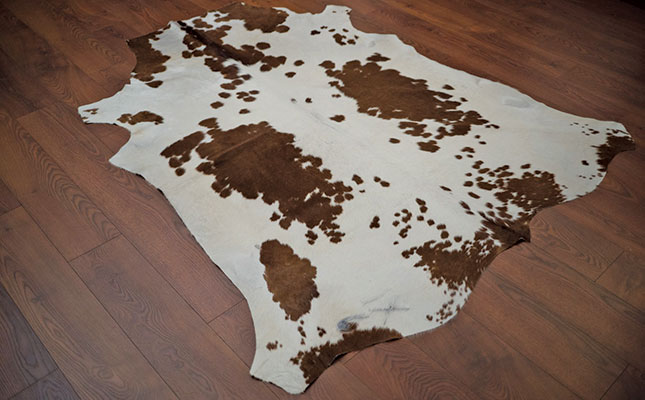
Photograph: The Nguni Guy
In the leather merchandise, 'hide' refers to the skin of large animals such as cattle, whereas 'skin' refers to the skin of smallstock.
If you wish to brand some coin out of selling hides, y'all will have to take intendance of your animals from the mean solar day they are born. A hide can hands be damaged by injuries caused by horns and fences, ticks, and poor handling and skinning practices.
This means you should dehorn the animals and herd them correctly; if they are frightened, they tin can come across barbed wire fences, which can tear the hide and crusade severe injury. Information technology also means not cutting the hides unnecessarily at skinning and following proper preservation do.
With informal slaughtering, minimise stress and injury by stunning the brute in a user-friendly paddock where it has been grazing for some days. Then quickly cut the jugular to let the carcass to bleed out.
Slaughter information technology in the early morning or late evening when it is cool. This is more aseptic as far equally meat training is concerned, and also helps forbid the hide from rotting. Do not slaughter in directly sunlight.
Start skinning as shortly as possible after the animal has been killed. The diagram shows the recommended cutting lines, as suggested by the KwaZulu-Natal Department of Agronomics and Rural Development.
Cutting along the cut lines with a sharp knife, then remove the hibernate from the carcass by forcing one hand, clenched into a fist with the knuckles forward, in between the hide and the carcass while using your other hand to pull the hide away from the carcass.
A pocketknife should exist used to detach the hibernate from the carcass only where it remains tightly attached. If in doubt, enquire an proficient for help.
Salting: preferable to drying
Clean the hide before the claret and meat sticking to it dry. Wash off the blood and remove any pieces of fat or meat with a sharp knife, taking intendance not to damage the inner surface.
Although a hide can be dried in a frame or on a rack in a absurd, shady place, information technology is better to preserve it by salting (curing).
To do this, lay the hide open on a dry, flat area with the hair side underneath. Sprinkle fibroid table salt liberally over the meat side and rub it in well. Use at least one-half the weight of the wet hide in salt.
If you don't know the weight of the hide, 10kg of salt should exist enough, unless the beast was very large.
Store salted hides in a cool identify for 48 hours, so castor off and discard the salt and send the hides to a leather merchant. If transport to a market is non immediately available, the hides should be dried and stored.
A cured hibernate commonly dries chop-chop and weighs about 50% of its moisture weight.
Storage
Cured, dried hides can exist stored for several weeks earlier transportation to a processing plant. If possible, store them flat, non folded, as leather tends to cleft along fold lines. Where folding is necessary, go on the number of folds to a minimum.
Alternatively, hang each hide over a pole 75mm to 150mm in diameter, mankind side up. A mutual fold line is along the length of the back, in line with where the spine was, with the hibernate hanging evenly over the pole. Shop the hides in a well-ventilated, cool place away from the sun.
To prevent damage from insects and rodents, store hides singly or in stacks on racks at least 10cm off the ground.
Spraying with insecticide or painting with dip volition prevent insects from chewing the hide. Trap rodents or impale them with rat poisonous substance.
Source: Beef Production: The Basics – Hides (fact sail). KZN Section of Agronomics and Rural Development.
Source: https://www.farmersweekly.co.za/farming-basics/how-to-livestock/make-money-from-cattle-hides/
0 Response to "Who Buys Raw Beef Hides Near Me"
Enregistrer un commentaire